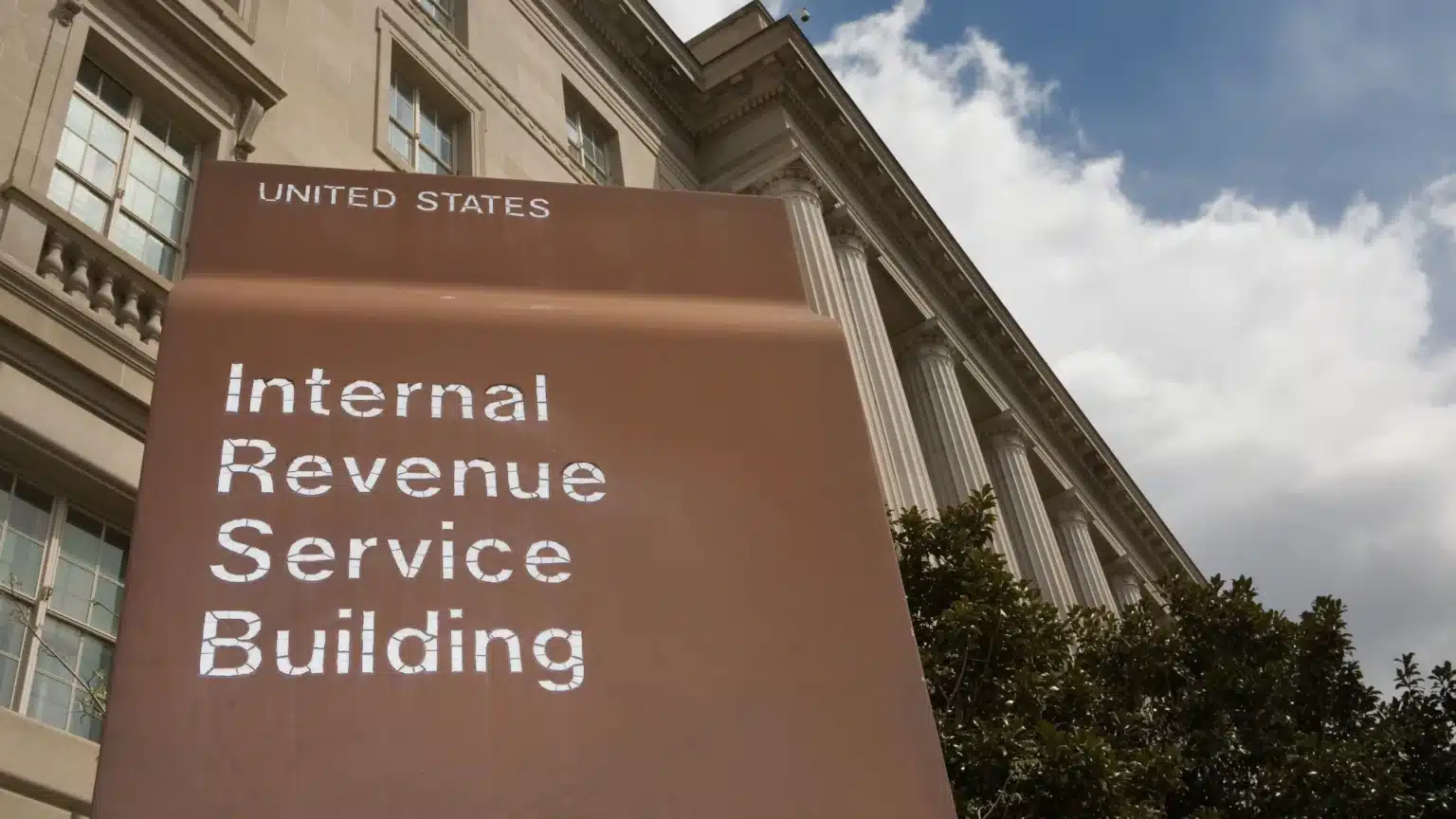
Payroll taxes are a critical part of business compliance. The process is simple when handled correctly, but even a minor mistake can quickly turn into a financial and legal headache. This is especially true if those errors lead to an IRS inquiry. Below, we discuss the specific penalties that can arise from payroll errors and the proactive steps you can take to keep your business compliant.
Why Payroll Tax Mistakes Are a Serious Business Risk
It’s easy to assume a minor payroll oversight is just an administrative error. The truth is that even small payroll errors can have serious legal and financial consequences. The IRS takes payroll tax compliance very seriously because these taxes, including Social Security, Medicare, and withheld income tax, are funds the employer holds in trust for the government and the employee.
For small and mid-sized businesses, the risk is often greater because fewer internal resources make them more vulnerable. Without a dedicated accounting team, these companies are more susceptible to setup errors, bad calculations, or missed deadlines. Understanding the severe financial impact of even minor payroll tax mistakes helps establish the real-world risk and sets the stage for the specific penalties discussed below.
The Most Common Payroll Tax Mistakes to Avoid
To avoid payroll tax mistakes, you must understand the most frequent missteps the IRS scrutinizes. Fortunately, they’ve provided plenty of guidance on correcting employment taxes so you can catch these mistakes early:
| Payroll Tax Mistake | Description & Risk |
|---|---|
| Misclassifying Employees vs. Contractors | This is a major trigger for IRS audits. Calculating and paying the wrong amount of payroll taxes can lead to significant back taxes and penalties. |
| Missing Filing or Payment Deadlines | The IRS strictly enforces due dates for filing forms (like Form 941 or Form 940) and depositing withheld taxes. Missing these deadlines is one of the quickest ways to incur a penalty. |
| Incorrect Calculation of Taxable Wages | Incorrectly calculating taxable wages, such as failing to report bonuses, fringe benefits, or final pay correctly, can lead to under-withholding. |
| Failing to Deposit Withheld Taxes | Employers must deposit the taxes they withhold from employee paychecks on a set schedule. Using these funds for operating expenses, even temporarily, is a serious violation that leads to severe penalties. |
| Incomplete or Inaccurate Payroll Records | Proper record-keeping is essential. You must accurately track and document wages, hours, and tax deposits. Poor records make it impossible to prove compliance during an audit. |
| Underestimating Tax Liability | Errors in the initial setup of a payroll system, or simple data entry mistakes, can cause you to consistently underestimate your total tax liability. |
Knowing the errors is the first move, but understanding the IRS payroll tax penalties that follow is the critical next step in protecting your business.
What Happens When You Make These Mistakes?
The most direct result of payroll errors is the imposition of IRS payroll tax penalties and interest charges. The IRS assigns these fines based on the specific error and the length of the delay. Since these penalties often stack, the total cost can increase significantly over time.
The main penalty categories include:
- Failure to Deposit Penalty: This applies when you don’t deposit taxes on time or in the correct amount. The penalty ranges from 2% to 15%, depending on the lateness of the underpayment.
- Failure to File Penalty: This applies to filing required forms, like Form 941 (Quarterly Federal Tax Return), after the due date. The penalty increases by 5% of the unpaid tax for each month a required return is late, up to a maximum total penalty of 25%.
- Interest Charges: The IRS also charges interest on any unpaid taxes and on the penalties themselves.
These errors may also trigger an IRS audit, which is always a time-consuming process that involves deep scrutiny of your records and finances. However, businesses that can prove they acted in good faith may qualify for IRS programs that offer penalty relief for ‘reasonable cause’.
How to Stay Compliant and Protect Your Business
Proactive planning acts as a reliable safeguard against payroll tax mistakes and the resulting penalties. Adopting a compliance-first approach ensures your business stays audit-ready and legally protected. Follow these steps to protect your business:
- Use a Dependable Payroll System: Put a trusted payroll tool in place and check your numbers often to make sure your bank records and tax totals always match up.
- Set Reminders for Tax Due Dates: Use a calendar or automated alerts so you never miss a filing or payment day, which keeps you safe from extra interest charges.
- Conduct Periodic Internal Audits: Look over your payroll info and employee types regularly to find and fix mistakes before the IRS notices them.
- Seek Professional Support: Reach out for help from a CPA or payroll expert when things get complicated to make sure your paperwork stays correct and up to code.
Taking these steps regularly is key to your financial health. Our Tax Prep Package supports this planning to help you stay ahead of deadlines and maximize deductions, giving you the clarity to make better financial moves before tax season even begins.
Don’t Let Payroll Tax Errors Cost You – Get Expert Help
Most payroll tax mistakes are completely avoidable, but changing tax laws and complex processing requirements mean even careful business owners can run into errors.
Expert guidance is essential for peace of mind, which is the main focus of our tax strategy packages. A Gulla CPA can help you by:
- Classifying employees correctly to avoid back tax liability.
- Managing accurate tax calculations and making deposits on time.
- Handling communications during IRS inquiries or audits.
Proactive payroll compliance allows you to focus on your business without the stress of potential IRS penalties. Partnering with a skilled CPA reduces your risk and protects your bottom line. Contact Gulla CPA today to secure your peace of mind and protect your business from costly errors.